A bright, modern therapy room showcasing multidisciplinary case management in action without people. On a central, pale birch table, several open folders with different coloured spines are arranged around a large, detailed care plan chart, with sticky notes marking goals like mobility, cognition, and community access. Beside them, a tablet displays a secure calendar for home visits and medical appointments. Along the walls, labelled storage boxes contain rehabilitation tools, and a whiteboard shows a weekly timetable in tidy handwriting without readable text. Soft midday light streams through tall windows, with a glimpse of an East Anglian town street and red-brick buildings. The mood is organised and hopeful, captured with photographic realism from a slightly elevated, wide-angle perspective to emphasise collaboration and structured support.

Our Services

Specialist brain injury and complex case management, from early assessment to long-term coordination across East Anglia.

Services

A comfortable rehabilitation living room scene symbolising brain injury and complex case support. A sturdy, adjustable therapy armchair with textured dark grey fabric faces a low oak coffee table covered with neatly arranged rehab tools: coloured coordination cones, laminated exercise cards, a pill organiser, and a small digital calendar clock. In the background, a wide window reveals flat East Anglian fields and a distant church tower under soft, overcast light. Warm natural daylight blends with a single floor lamp, creating a calm, reassuring atmosphere. Photographic realism at a slightly elevated angle, with balanced composition and clear focus throughout, highlighting both the practical equipment and the homely, non-institutional setting that reflects long-term support and independence.

Holistic assessment of needs, risk, and potential, forming clear rehabilitation goals and practical support plans for each individual.
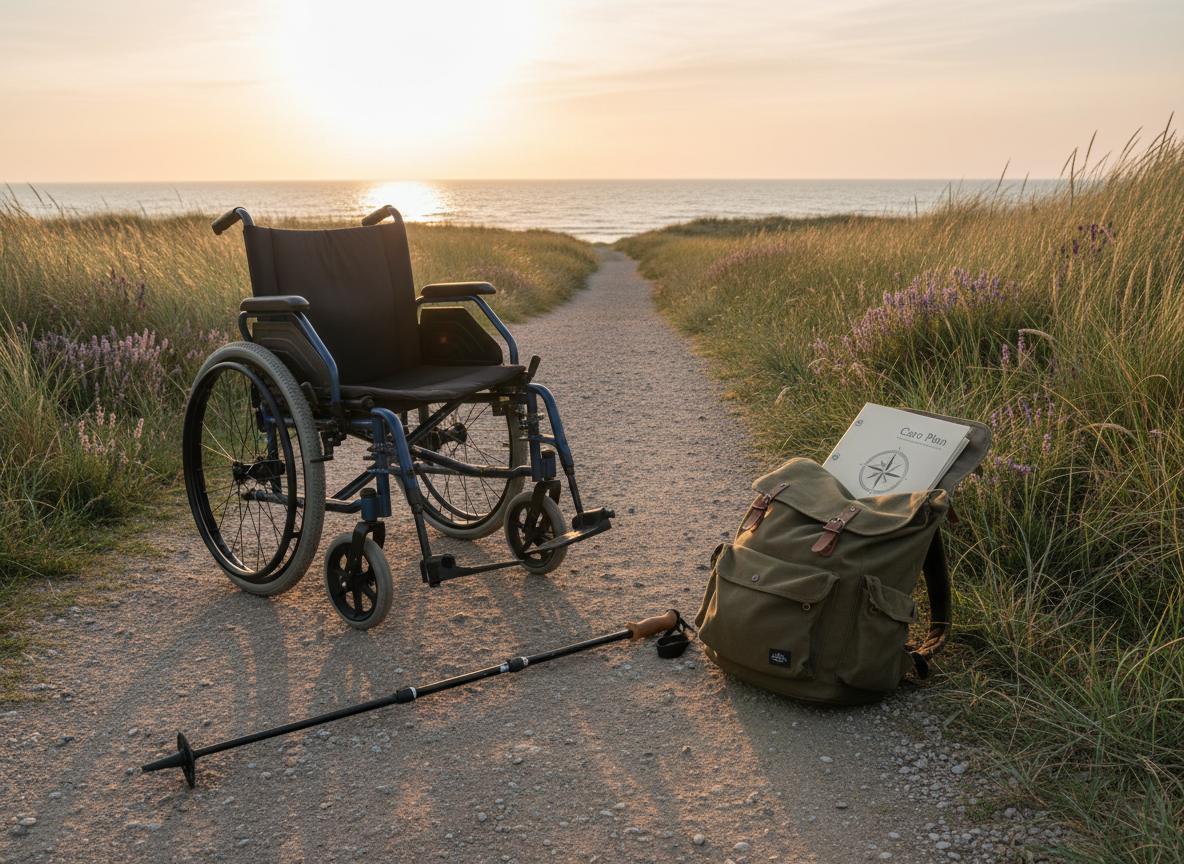
A peaceful East Anglian coastal path at sunset, symbolising client journeys towards independence. The foreground features a well-used, collapsible walking stick resting beside a sturdy wheelchair with textured tyres, both parked on a compacted gravel path lined with wild grasses. Nearby, a neatly packed rucksack with a visible care folder peeks from an open pocket, suggesting a supported community outing. The horizon shows soft sand dunes and calm sea beneath warm, golden-hour light, casting long, gentle shadows and a sense of progression. Shot at a low angle along the path, with strong depth leading the eye into the distance. Photographic realism and a natural, tranquil atmosphere communicate resilience, rehabilitation, and expertly guided but client-led progress.

Ongoing care coordination, rehabilitation planning, and vocational support, linking NHS, private providers, employers, and families into one cohesive plan.

Funding

Initial Assessment

Our case management work is usually funded through litigation (interim payments or damages), Court of Protection / deputyship arrangements, or statutory services. We agree hourly rates in advance, provide a clear estimate of anticipated costs, and report regularly so solicitors, deputies and families can see exactly how time is used and how fees relate to rehabilitation goals.

Comprehensive case assessment

Ongoing Management

Case management is commissioned on an hourly basis, with no referral or set‑up fees. We scope the individual’s needs, propose an estimated number of hours for the first 3–6 months, and only proceed once all parties have approved the plan and costs. Where appropriate, we work alongside solicitors and deputies to align our input with funding available through interim payments or personal injury trusts.

Coordinated rehabilitation

Intensive Support

We can be instructed on a single‑assessment basis, time‑limited pieces of work, or ongoing case management. Commissioners receive a written agreement that sets out our hourly rate, reporting requirements, cancellation terms and review points. This transparent approach helps legal and clinical teams budget accurately while ensuring the person with a brain injury receives consistent, needs‑led support.

High-need coordination

Your journey with LAM

From initial referral and assessment through goal-setting, coordinated interventions, reviews, and safe discharge, we guide every stage of the rehabilitation journey.

A bright, modern therapy room showcasing multidisciplinary case management in action without people. On a central, pale birch table, several open folders with different coloured spines are arranged around a large, detailed care plan chart, with sticky notes marking goals like mobility, cognition, and community access. Beside them, a tablet displays a secure calendar for home visits and medical appointments. Along the walls, labelled storage boxes contain rehabilitation tools, and a whiteboard shows a weekly timetable in tidy handwriting without readable text. Soft midday light streams through tall windows, with a glimpse of an East Anglian town street and red-brick buildings. The mood is organised and hopeful, captured with photographic realism from a slightly elevated, wide-angle perspective to emphasise collaboration and structured support.
A comfortable rehabilitation living room scene symbolising brain injury and complex case support. A sturdy, adjustable therapy armchair with textured dark grey fabric faces a low oak coffee table covered with neatly arranged rehab tools: coloured coordination cones, laminated exercise cards, a pill organiser, and a small digital calendar clock. In the background, a wide window reveals flat East Anglian fields and a distant church tower under soft, overcast light. Warm natural daylight blends with a single floor lamp, creating a calm, reassuring atmosphere. Photographic realism at a slightly elevated angle, with balanced composition and clear focus throughout, highlighting both the practical equipment and the homely, non-institutional setting that reflects long-term support and independence.
A peaceful East Anglian coastal path at sunset, symbolising client journeys towards independence. The foreground features a well-used, collapsible walking stick resting beside a sturdy wheelchair with textured tyres, both parked on a compacted gravel path lined with wild grasses. Nearby, a neatly packed rucksack with a visible care folder peeks from an open pocket, suggesting a supported community outing. The horizon shows soft sand dunes and calm sea beneath warm, golden-hour light, casting long, gentle shadows and a sense of progression. Shot at a low angle along the path, with strong depth leading the eye into the distance. Photographic realism and a natural, tranquil atmosphere communicate resilience, rehabilitation, and expertly guided but client-led progress.